Ink, Stamps, and Staples: Why People Are Mailing Each Other Handmade Magazines Again
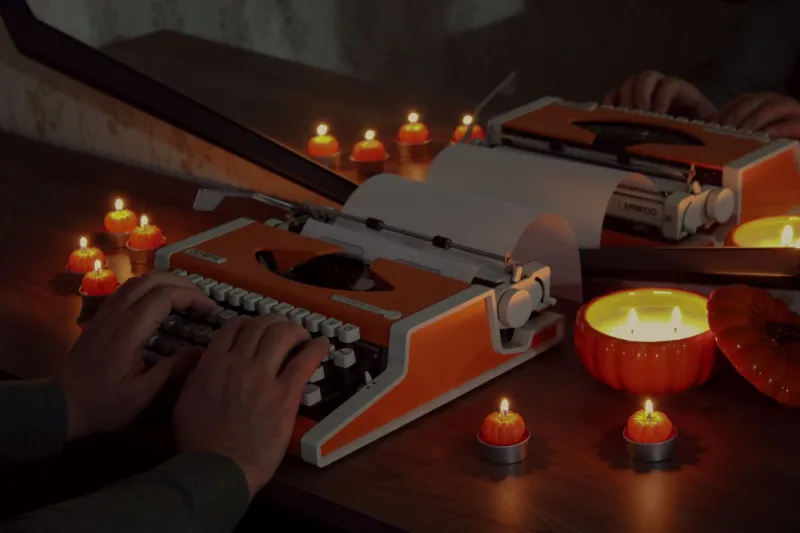
Kira doesn't have a social media following. She doesn't have a newsletter with a thousand subscribers. She has 34 people who pay her $8 a year to receive a photocopied, hand-stapled, occasionally coffee-stained zine about regional folklore, weird local history, and whatever she happens to be thinking about that month. She types every issue on a 1973 Olivetti Lettera.
She's one of thousands of people doing some version of this right now, and the number is growing.
The Machine Stopped Being Fun
Anyone who's spent time trying to build an audience online in the last few years knows the drill. Post consistently. Optimize for the algorithm. Engage in the comments. Repurpose content across platforms. Track your analytics. Adjust. Repeat. It is, by nearly universal agreement among the people doing it, exhausting in a way that has very little to do with the actual creative work.
The analog zine resurgence isn't happening in spite of that exhaustion — it's happening because of it.
"I had a blog for six years," says Marcus, a Chicago-based illustrator who now publishes a hand-bound zine about outsider architecture and weird roadside Americana. "I was writing stuff I was genuinely proud of and getting like forty readers on a good day, but I was constantly stressed about SEO and posting schedules and whether I should be on TikTok. At some point I just asked myself: who is all of this for?"
He printed fifty copies of his first zine on a library printer, hand-numbered them, and sold out in a week through a single post to a small online community. The second issue had a waitlist.
What a Zine Actually Is (And Isn't)
The word gets thrown around loosely enough that it's worth being specific. A zine — short for magazine or fanzine, depending on who you ask — is a self-published, small-circulation work, typically produced cheaply and distributed outside mainstream commercial channels. The format has roots in science fiction fan communities of the 1930s and exploded through punk culture in the 70s and 80s before becoming deeply associated with the riot grrrl movement in the 90s.
The current wave isn't a direct continuation of any of those traditions, exactly. It's something more eclectic — people pulling from the DIY ethics of the past while applying them to whatever they happen to care about. Music criticism, yes, but also mycology. Regional bird identification. Queer rural life. Obscure board game history. The taxonomy of gas station snacks.
The typewriter is a recurring element, though not universal. For some creators it's purely aesthetic. For others it's functional — working without a screen removes a certain kind of decision fatigue. You can't compulsively check your analytics if your analytics don't exist.
"The typewriter doesn't let me edit infinitely," Kira says. "I write a draft, I retype it, and then it's done. There's something about that finality that actually makes the writing better. I stop second-guessing everything."
The Postal Network
Distribution is where the analog zine scene gets genuinely interesting as a cultural system.
Some creators sell through Etsy or Gumroad, which gives them a slightly larger reach at the cost of platform dependency. But a significant portion of the community operates through direct mail subscription lists, distro networks, and zine fests — regional events that function somewhere between craft fair and underground media conference.
The zine distro is a particularly important institution. Distros are small operations — often run out of someone's apartment — that stock zines from multiple creators and fulfill orders, taking a small cut and handling the logistics that individual creators don't want to deal with. They function like tiny, chaotic independent record stores, except the inventory is stapled together and fits in a shoebox.
Zine fests have been running in cities like Chicago, Portland, Brooklyn, and Austin for years, but smaller versions have been popping up in mid-sized cities and college towns with increasing frequency. The events tend to draw a mix of long-time zine lifers and people who just discovered the format and showed up curious. The vibe is consistently described by attendees as low-pressure in a way that most creative community events are not.
"Nobody is pitching anything," Marcus says. "Nobody is networking in that horrible way where you can tell someone is calculating what you're worth to them. People are just showing you something they made and hoping you like it."
Small Runs, Real Connections
The numbers that zine creators cite are almost comically small by internet standards. A print run of 100 is considered solid. Some well-established zines with years of history behind them max out at 500 copies. A few outliers have broken into the thousands, but those are exceptions that the community tends to look at slightly sideways — too big starts to feel like something else.
What those small numbers enable is a different kind of relationship between creator and audience. Kira knows most of her 34 subscribers by name. She gets letters back — actual handwritten letters — in response to issues. One subscriber, a retired librarian in Vermont, sends her newspaper clippings related to folklore topics she's covered. Another mailed her a hand-drawn map of local ghost roads in his county.
"I have never had that kind of exchange with anyone who found me online," she says. "The format creates a different expectation. People who seek out a physical zine and pay for it and wait for it in the mail are already different from someone who clicks a link. They're invested before they even read the first page."
What Gets Preserved
There's a durability argument too, though it cuts in unexpected directions. Digital content is theoretically permanent and practically fragile — platforms close, links die, archives fail. A physical object, even a cheaply made one, tends to persist.
Zine collectors and libraries have started taking this seriously. The Barnard Zine Library in New York has been collecting zines since 1992. The Queer Zine Archive Project has digitized thousands of LGBTQ+ zines from the last several decades. Individual collectors maintain personal archives that sometimes represent the only surviving copies of particular issues.
The zines being made right now will end up in boxes, on shelves, in library collections, in estate sales. Someone will find them in thirty years and know something true about what it felt like to be a specific person in a specific place in the early 2020s. That's not nothing.
Kira is working on her next issue. It's about a specific stretch of highway in her state where three different local legends overlap geographically, which she thinks is either a coincidence or something weirder. She'll type it up, make 40 copies, and mail them out.
She's already over capacity. She has a waitlist now.