Blood, Guts, and Community: The Small-Town Horror Festivals Changing Genre Film Forever
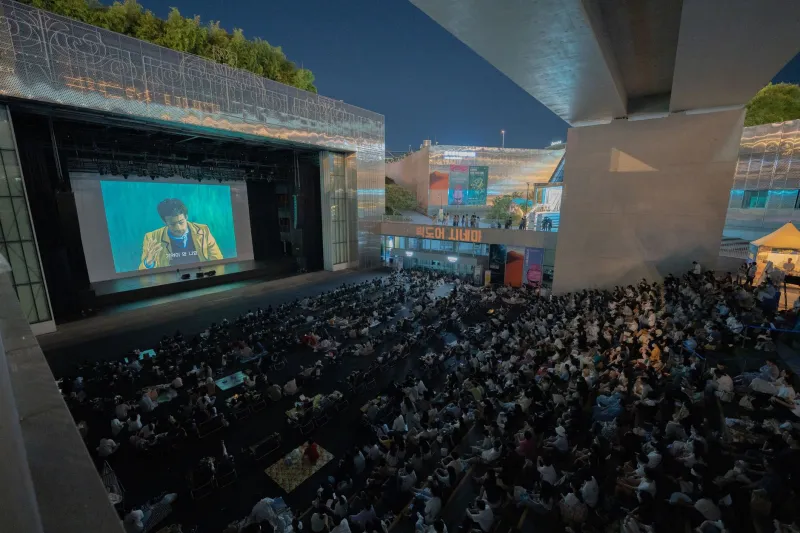
Somewhere in rural Pennsylvania last October, about three hundred people crammed into a converted warehouse to watch a 78-minute film about a grieving taxidermist who may or may not be possessed by the spirit of a local folk legend. The movie had no distributor. The director drove twelve hours to be there. By the end of the screening, the crowd was on its feet.
That's not a Sundance story. That's not a SXSW story. That's the regional horror festival circuit — and it's quietly becoming one of the most important ecosystems in American independent film.
The Circuit Nobody Talks About
When people think about film festivals, they think Tribeca, they think Fantastic Fest in Austin, maybe Fantasia up in Montreal. Those are the ones that get the press coverage and the distribution deals announced on Deadline.
But underneath those marquee events is a sprawling, undercovered network of regional horror showcases that collectively screen hundreds of films a year to audiences that are, frankly, more passionate about genre cinema than most film critics. We're talking about events like Crypticon (which rotates between Seattle and Kansas City), HorrorHound Weekend, Telluride Horror Show, and dozens of smaller, community-organized festivals that pop up in unexpected places — converted theaters in the Midwest, fairgrounds in the South, repurposed industrial spaces in smaller Northeast cities.
These aren't second-tier events. For a specific kind of horror filmmaker, they're the primary tier.
Why Regional Matters
Jennifer Reyes has been programming a regional horror festival in the mid-Atlantic for six years. She started it out of frustration.
"I kept seeing these incredible short films and micro-budget features that were genuinely interesting and culturally specific — films that were pulling from regional folklore, from specific community experiences, from American places that Hollywood doesn't bother with," she says. "And they had nowhere to go. The big festivals weren't interested because they weren't 'elevated' enough. Streaming platforms weren't interested because the production value wasn't there. So they just disappeared."
Her festival, which now draws around 800 attendees over a weekend, has become a launching pad. Three films that premiered there in the last four years have gone on to secure distribution deals. Two directors have been hired for larger projects on the strength of their festival runs.
But more importantly, she says, the films get seen by the right people. "Our audience isn't casual. These are people who drove two hours because they specifically wanted to see weird independent horror. When they love something, they tell everyone. That word-of-mouth is more valuable than a Rotten Tomatoes score."
The Experimental Edge
What's striking about the films that thrive on this circuit is how different they are from mainstream horror — even the prestige indie horror that gets the A24 treatment. Regional festivals are where you find horror that's genuinely experimental: films that blend documentary aesthetics with supernatural narratives, movies that treat regional American mythology with the same seriousness that European art cinema brings to folklore, projects that are structurally strange in ways that would make a streaming platform nervous.
Marcos Villanueva made a feature-length horror film set entirely within the tradition of Texas border corridos — the folk ballads that narrate stories of smugglers, ghosts, and supernatural encounters along the Rio Grande. It's sung as much as it's spoken. It has almost no conventional horror beats. And it has played to standing ovations at four regional festivals.
"I knew this wasn't going to Sundance," he says, laughing. "I made peace with that early. But I also knew there was an audience for it. The regional circuit gave me that audience. Real people, in a room, having a genuine reaction."
The Discovery Pipeline
Here's what's interesting from a cultural infrastructure standpoint: the regional horror circuit has quietly become a pipeline that feeds upward into the broader film ecosystem in ways that weren't true ten years ago.
Letterboxd users have started tracking regional festival premieres. Horror-specific podcasts and YouTube channels cover these events with genuine enthusiasm. When a film builds a reputation on the circuit, it arrives at larger festivals or streaming platforms with an existing community behind it. That community shows up in the reviews, the lists, the social media noise that platforms use to make programming decisions.
In other words, the regional festival isn't just a dead end for films that couldn't make it elsewhere. It's increasingly the beginning of a film's life — the place where it finds its people before the rest of the world catches up.
What These Festivals Need
The honest conversation is that most regional horror festivals operate on shoestring budgets and volunteer labor. They're passion projects that happen to be culturally significant. Sponsorship is hard to come by. Venues are expensive. Filmmakers often can't afford to attend even when they want to.
But the audiences keep showing up. And the films keep getting weirder, more ambitious, more rooted in specific American experiences that mainstream horror doesn't bother to explore.
If you've never been to a regional horror festival, it's worth finding one near you. Check the programming for something you've never heard of. Sit in a room with strangers who drove a long way because they love this stuff.
That taxidermist film from Pennsylvania, by the way? It just got picked up for streaming. Took about eight months after that warehouse screening.
Sometimes the circuit works exactly like it's supposed to.